



Market tilapia
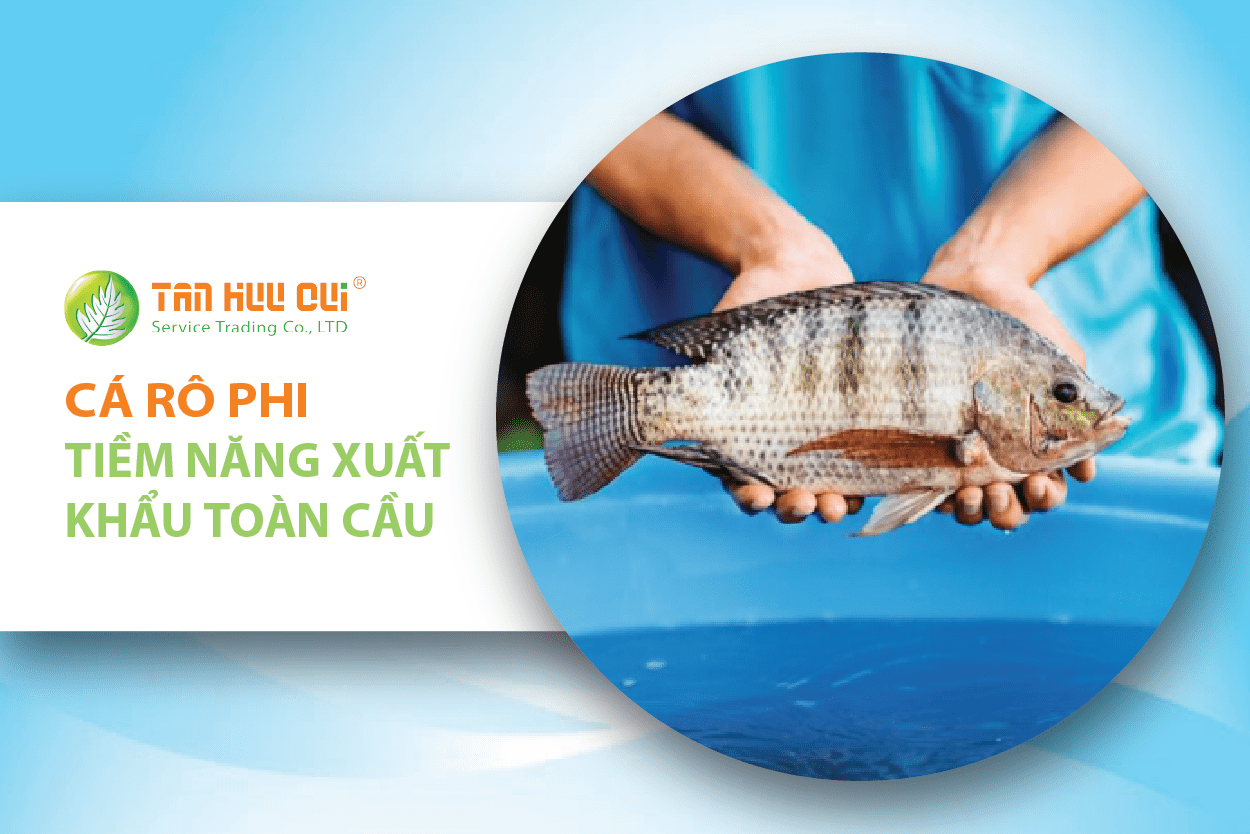
Tilapia is one of three species of fish the world's most popular, second only to fish and salmon on the production of commercial products. Thanks to fast growth rate, easy to adapt and ability to digest food diversity, tilapia become the food source, rich in protein and environmentally friendly.
Market tilapia global value of 10.6 billion USD in 2024 and is expected to reach $ 20 billion by the year 2030. About mass production of tilapia global reach about 7 million tons in 2024 and is expected to increase to 7.3 million tons in 2025. Most of the tilapia exports from the world are moving to the United States, the European Union and the countries of the Middle east. China and Indonesia are two countries producing tilapia largest in the world.
In the year 2023, export tilapia in Vietnam reached the value of $ 17 million, and by 2024 this number has increased by almost 30 million USD – present potential for huge growth. This growth is driven by the trends in consumption of fish, white meat, low-fat, friendly environment globally.
Vietnam, with a tropical climate and freshwater resources abundant, has great advantage in tilapia. Bred mainly in the red river delta, Central and Mekong delta, with an area of farming is estimated at more than 42,000 hectares of the reach yield annual average reached 260,000–300,000 tons. The adults quickly reach a weight of 600-800g in just 5-6 months. Tilapia Vietnam are also increasingly popular on the market, signaling potential export strong.
However, in order to maintain and expand exports, industry, fish farming, tilapia, Vietnam is facing the challenge of food quality, cost, and environmental standards. Due to the cost of food up to 65 – 70% of the total cost of feed, the optimal source of protein in the diet is the determining factor productivity and profit.
Nutritional needs and the core role of the protein in tilapia
Tilapia is omnivorous, should be able to digest the raw materials are derived from plants and microorganisms. However, to achieve high growth, the need to ensure the function and quality ration to suit each stage.
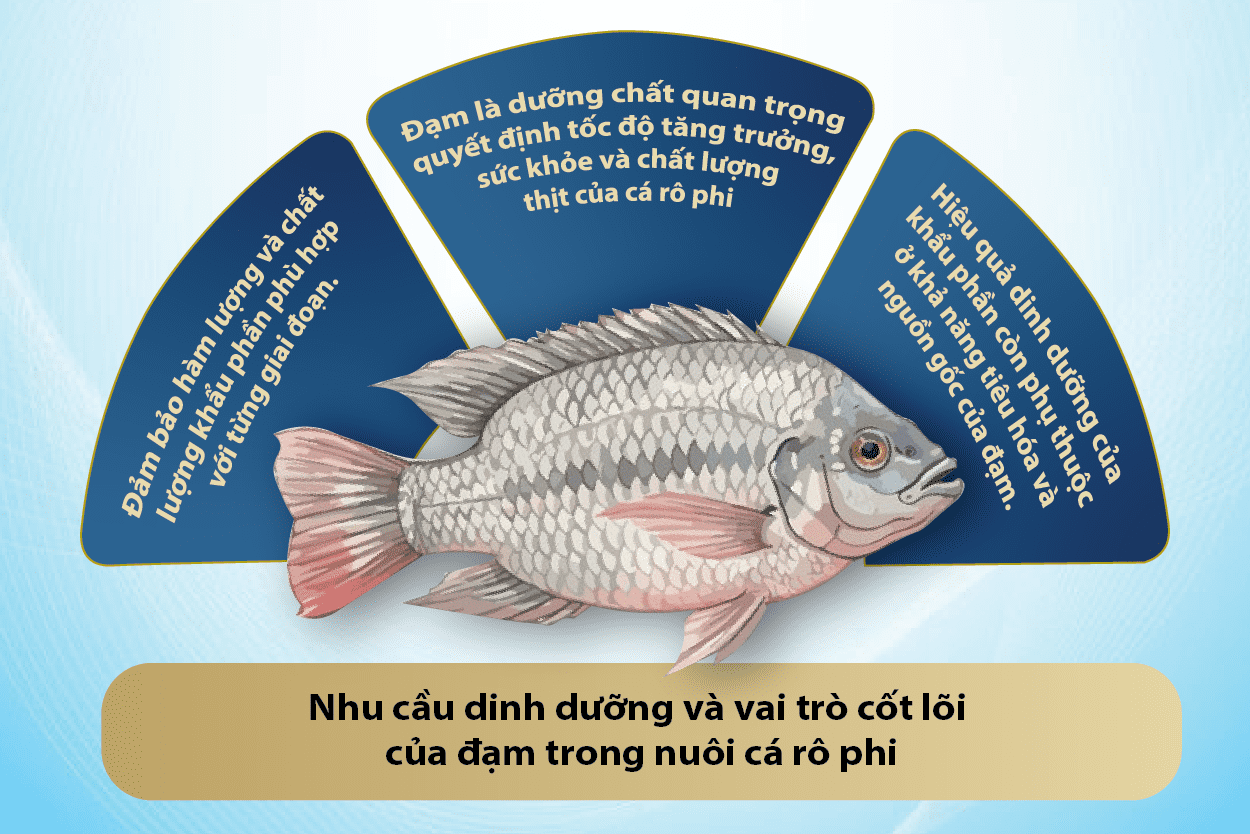
Protein is a nutrient important decision speed growth, health, and meat quality of tilapia. However, nutrient efficiency of servings depends not only on the protein content but also in the ability to digest and a source of protein. In the context of fish meal prices increasing and supply decline, researchers and entrepreneurs are heading to the source of the protein alternatives are more sustainable.
A study of the Global Seafood Alliance (2024) indicate that tilapia can completely achieve the growth and efficient feed conversion (FCR) equivalent when fed with ration containing no fish meal, with the condition portion that is complementary sources of protein capable of high digestibility and balance of essential amino acids. This result opens new directions in recipe development, food, sustainable seafood, while ensuring the productivity and reduce the pressure on the raw material powder of natural fish.
New solution: Protein, single cell – the source of nitrogen for sustainable fisheries modern
Ago tendency to reduce the dependence on fish meal, traditional Protein unicellular (Single Cell Protein, SCP) is a solution breakthrough nutritional and sustainability for the aquaculture industry today. Protein Single Cell is a source of protein derived from microorganisms, rich in essential amino acids and digestive superior to many sources of protein other.
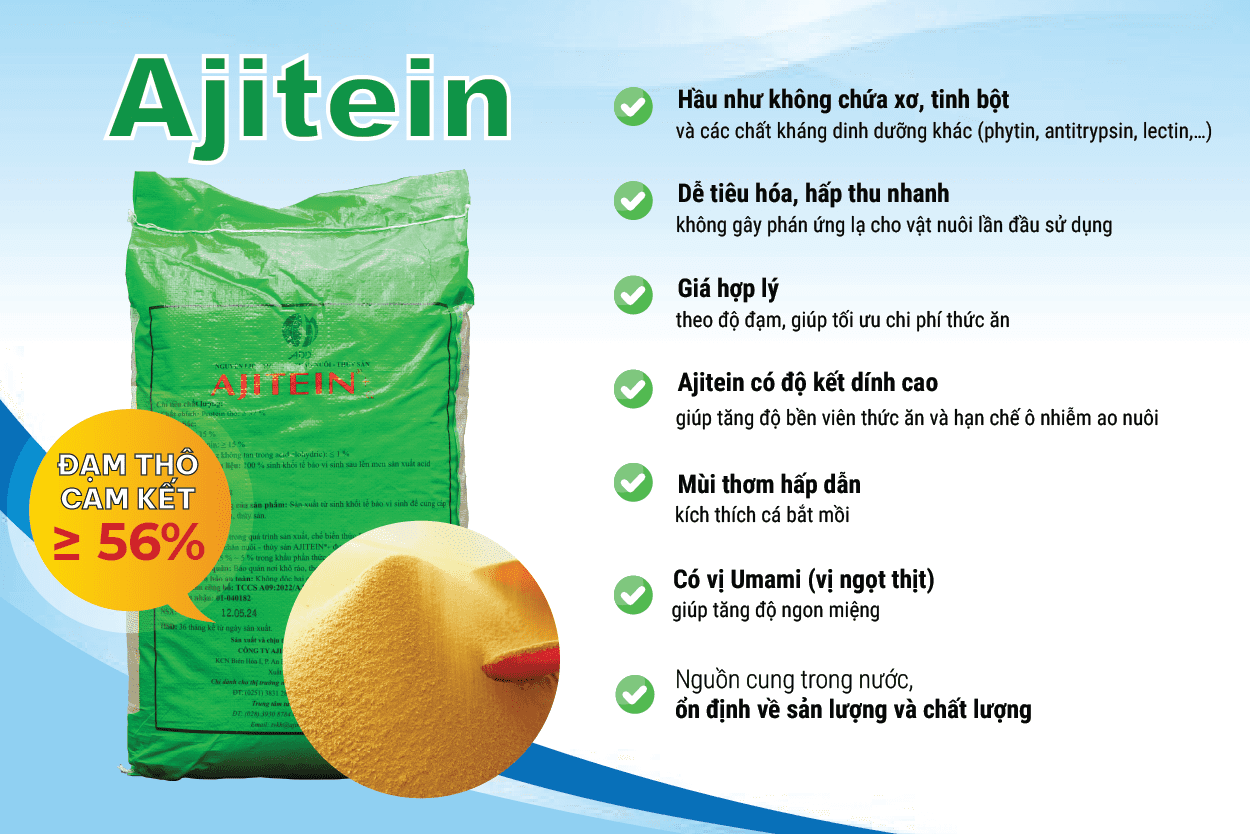
Meet the needs seeking sources of protein replace sustainable company new friends, You recommend products Protein Single-Cell fermentation with protein, 56%.
The outstanding advantage of Protein Single Cell
- Almost does not contain fiber, starch and the high-resistance nutrition other (phytin, antitrypsin, lectins,...) in accordance with the physiology of digestion fish
- Easily digestible, quickly absorbed – helps tilapia absorbed optimal nutrition
- Reasonable price according to the proteinhelp in optimal cost of food
- Protein single cell has high adhesion help increase the durability, feed and limit pollution pond
- Attractive aromaincreased conductivity example
- Has UMAMI (sweet meat) helps to increase the appetite
- Domestic supply, stability of yield and quality
Practical application
Depending on the recipe and the price of raw materials input of each serving can use Protein Single Cell with the content of 2-4% for up to a maximum of 10%.
Conclusion
Industry tilapia globe are thriving and increasingly focus on sustainability factors. In Vietnam, this is a potential in exporting aquatic products.
To achieve optimal productivity, nitrogen is the nutrient element core in the diet. The use of Protein that The not only helps fast growth, reduce costs but also contribute to the build chain aquaculture environmentally friendly and economic efficiency in the long term.