



The majority of shrimp disease are at risk for highly infectious diseases can spread quickly in the pond and into the pond nearby, which negatively affects the productivity of the crop. Therefore, there should be more measures of disease prevention and control health men from the service in order to achieve the best effect.
1. White spots disease
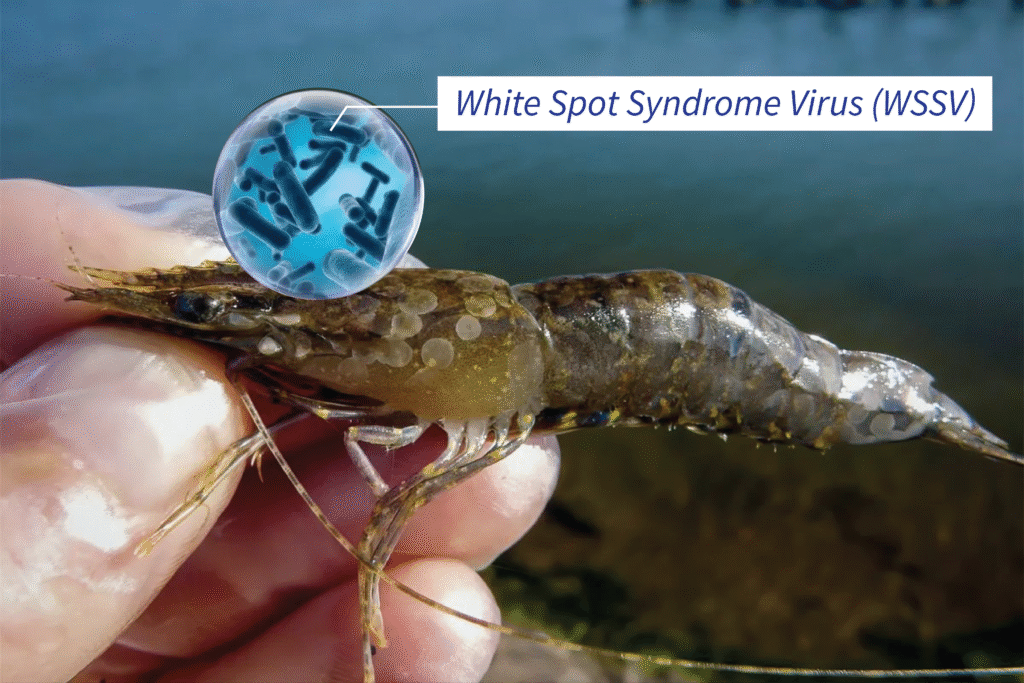
Of white spot disease caused by White Spot Syndrome Virus (WSSV). Virus attack many tissue cells, appear the most in skin tissues cells. The disease has the highest mortality and high spread. Shrimp in stages from larvae until the shrimp and the shrimp are presented the risk of disease.
Expression:
- Appearance of white spots have a diameter of 0.5-2mm on the shells of shrimp, especially in armor, head, tits and the body shell.
- Shrimp swimming lethargic, feed weak or skip meals altogether.
- There is pool, the pond or buried in the mud.
- As the disease progresses, heavy mortality series of short duration (24-72 hours after the appearance of pronounced symptoms).
How to treat:
Currently, there is no specific treatment. So, farmers need good management ponds to limit the risk of damage. When discovered in pond shrimp infected need picked out the shrimp died out of the pond. Use Chlorine with a dose of 30 kg/1,000 m3 or Formaline 200 liters/1,000 m3 with water sculpt all around the pond, soaking pond 7 days before discharge into the environment.
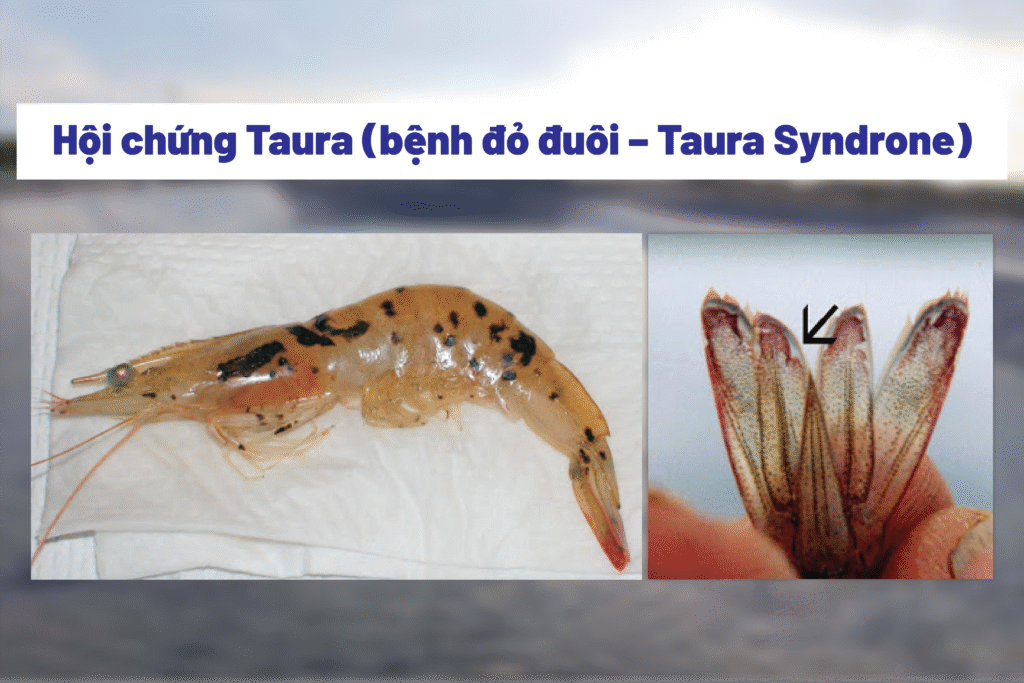
2. Syndrome, Taura (the red tail – Taura Syndrone)
Syndrome, Taura caused by RNA viruses, no sheathing attached to them Dicistroviridae. The disease usually appear on shrimp period from 2 weeks of age until maturity. The incubation period is short, the ability to spread and high mortality rate, up to 95%.
Expression:
- The acute phase do shrimp slow, big, soft shell, destroying the digestive system and the ability to spread fast, when disease lobster tail often puff up and turn red then appear black spots on the epidermis, if the shrimp turn into a chronic, will appear many spots infected melanin. Shrimp disease will anorexia, swimming lethargic on the water or snuggle into ponds, marshes feed.
- Liver, pancreatic yellow than usual, bringing the swelling, usually mortality at molting.
How to treat:
Syndrome, Taura on the shrimp is no cure. Shrimp farmers need to apply composite measures of management and environmental remediation water of the pond. When appeared the disease, the “treat” only contribute to disease control, minimize the damage to the crop. Method of implementation is to prevent shrimp molting by reducing feed and maintain pH > 8.0, the continuous aeration and maintain the best water quality possible.
3. The disease gold (Yellow Head Disease)
According to Aquaculture Pathophysiology (2022) pathogens yellow head, Yellow Head Virus genotype 1 (VHD-1). The disease often appears at times of bad weather, the change of seasons. The disease has high mortality rates can be up to 100%.
Expression:
White shrimp when sick expression, yellow, head, body, pale, liver, pancreas turn yellow, shrimp swimming washed ashore on the water and along the shore, and then die.
How to treat:
Disease no cure. People need to adhere to the preventive measures general. Selective breeding and good management of environmental quality ponds.
4. Disease liver necrosis pancreatitis acute
Bacterial diseases Vibrio Parahaemolyticus high virulence caused. Shrimp can be infected with the disease in all stages of breeding, however, the stage most sensitive is the time 10 – 45 days after stocking. This time, the shrimp non resistance of shrimp incomplete, prone to pathogen attack.
Expression:
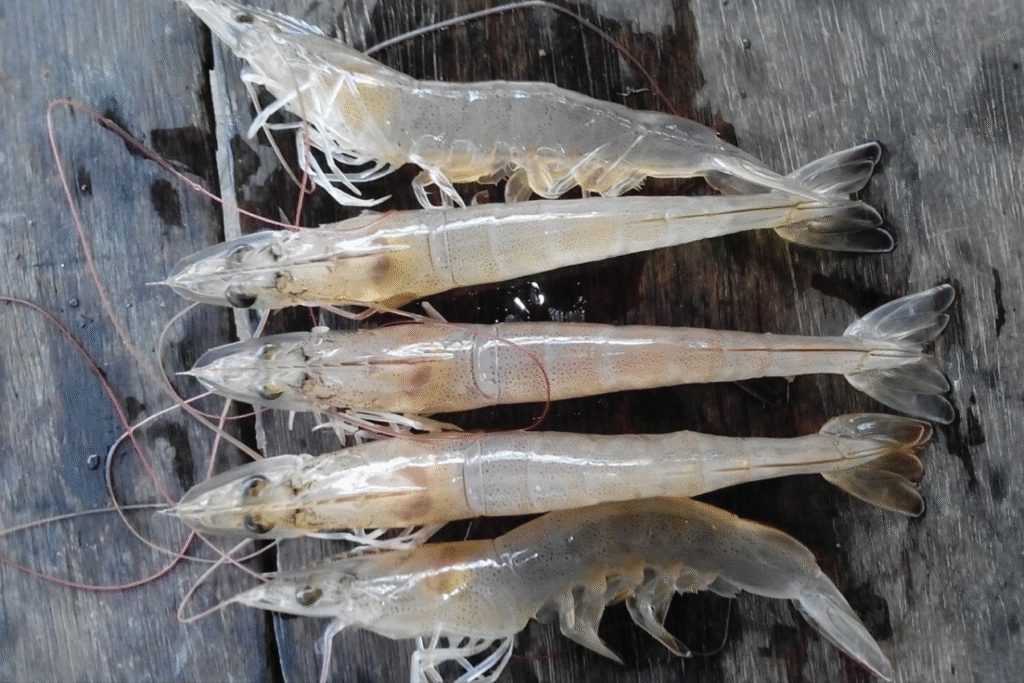
- Shrimp't eat, swim slowly peel the thin, pale
- Liver, pancreatic expression swelling, body, or shrink
- Natural shrimp empty or breaks
How to treat:
- To the sick-room need to choose breeds, environmental management ponds.
- When detected abnormal expression needs to reduce or stop eat to reduce pressure on the digestive functions of the liver the pancreas. Sampling disease to determine the cause of the disease, try antibiotics to choice of antibiotic is most effective. According to the study, bacteria Vibrio Parahaemolyticus in aquaculture has resistance to amoxciline, ampiciline, tetracycline so when selecting antibiotics used initially should not choose 3 types of this antibiotic for the treatment of liver necrosis pancreatitis acute.
Conclusion: prevention general
To ensure optimal productivity, minimize damage to the pond. Tan Huu You please synthesis of 1 number of preventive measures help to foster more secure:
1. Handling a protected water source required, it is best to have treatment system water supply with separate ao willing to provide water to the pond.
2. Choice of shrimp, clean, not infected. Compliance with the technical process of vannamei shrimp. Toilet water ponds periodically and actively remove toxic algae in the pond to ensure health for shrimp.
3. Ration formulation in accordance with the nutritional requirements of shrimp in each stage. Control of fiber and starch in diets for shrimp achieve performance digest best. Protein single cell is 1 in the optimal solution – modern to balance rations nutrition on shrimp. See more here
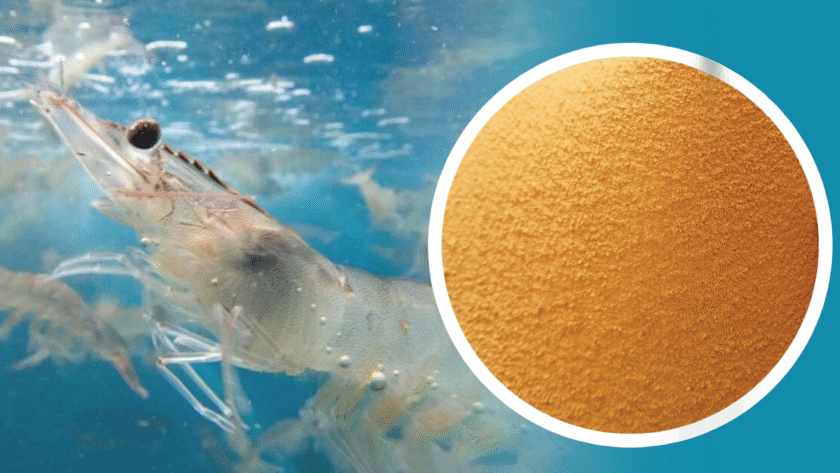
4. Provide the amount of food sufficient, limiting the leftovers in the pond. Because leftovers are the main causative adversely affect water quality in the pond, reducing the concentration of dissolved oxygen is a source of nutrients for microorganisms in developed countries the risk of pathogenic for shrimp.
5. Additional minerals, vitamins and digestive enzymes needed in feed for shrimp to increase the resistance.
6. Regularly check the health status of shrimp, actively monitoring water resources, climate change, pH suitable to have the solution handled promptly.